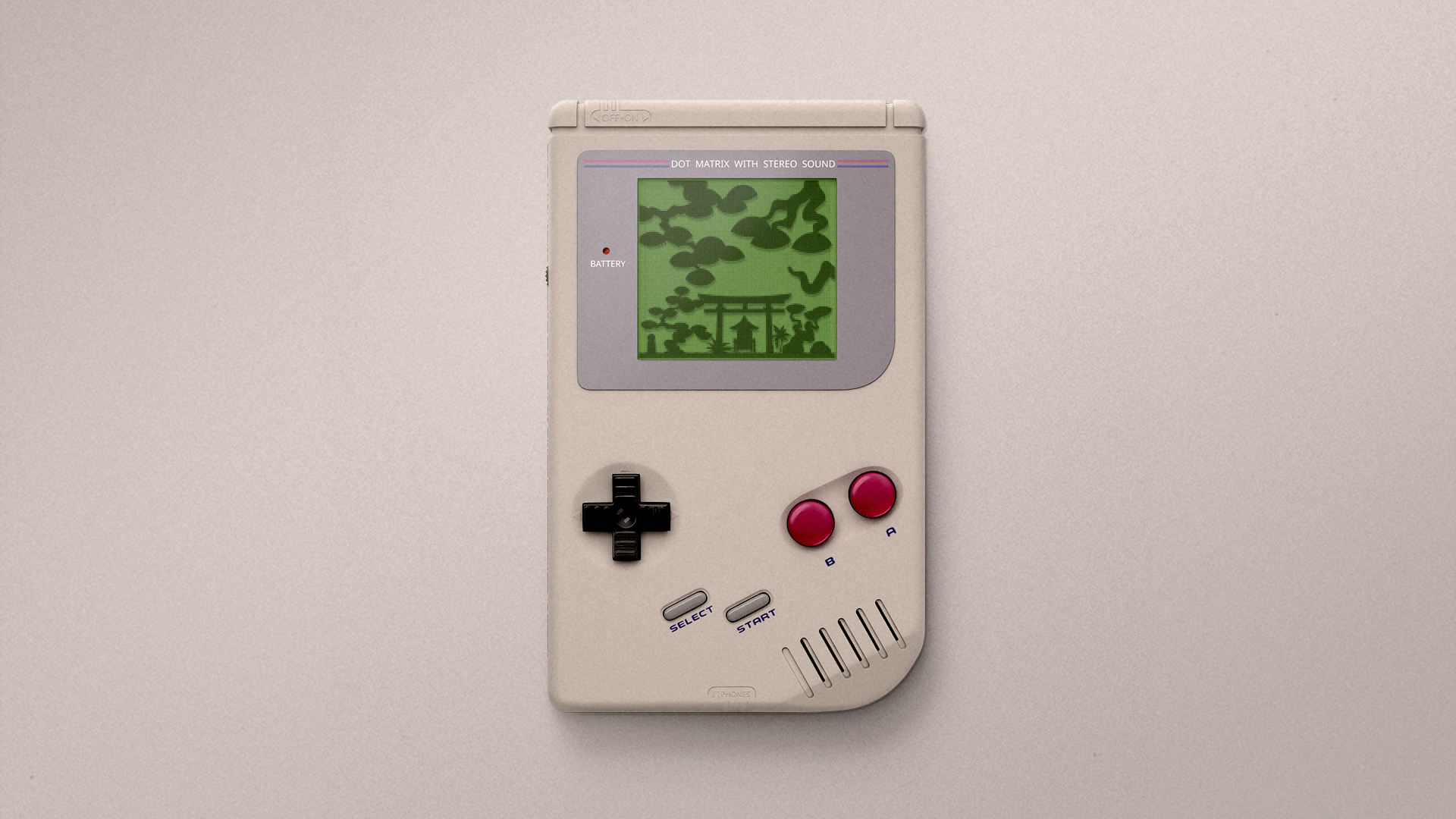
CONCEPT : Teru no Hikari

Insight

The Japanese video game industry is a significant pillar of national pop culture, with a rich history of creativity, storytelling, and distinctive design. Games in Japan showcase a variety of styles and modes of expression, from 2D retro-inspired titles to contemporary approaches, conveying unique universes and experiences. These games attract both domestic and international audiences, who are drawn to their originality, aesthetic richness, and cultural depth.

Challenge

How can the concept and narrative of a 2D video game draw on a popular Japanese tradition in a way that Japanese audiences can identify with, while still remaining accessible and appealing to players who do not share the same cultural references ?
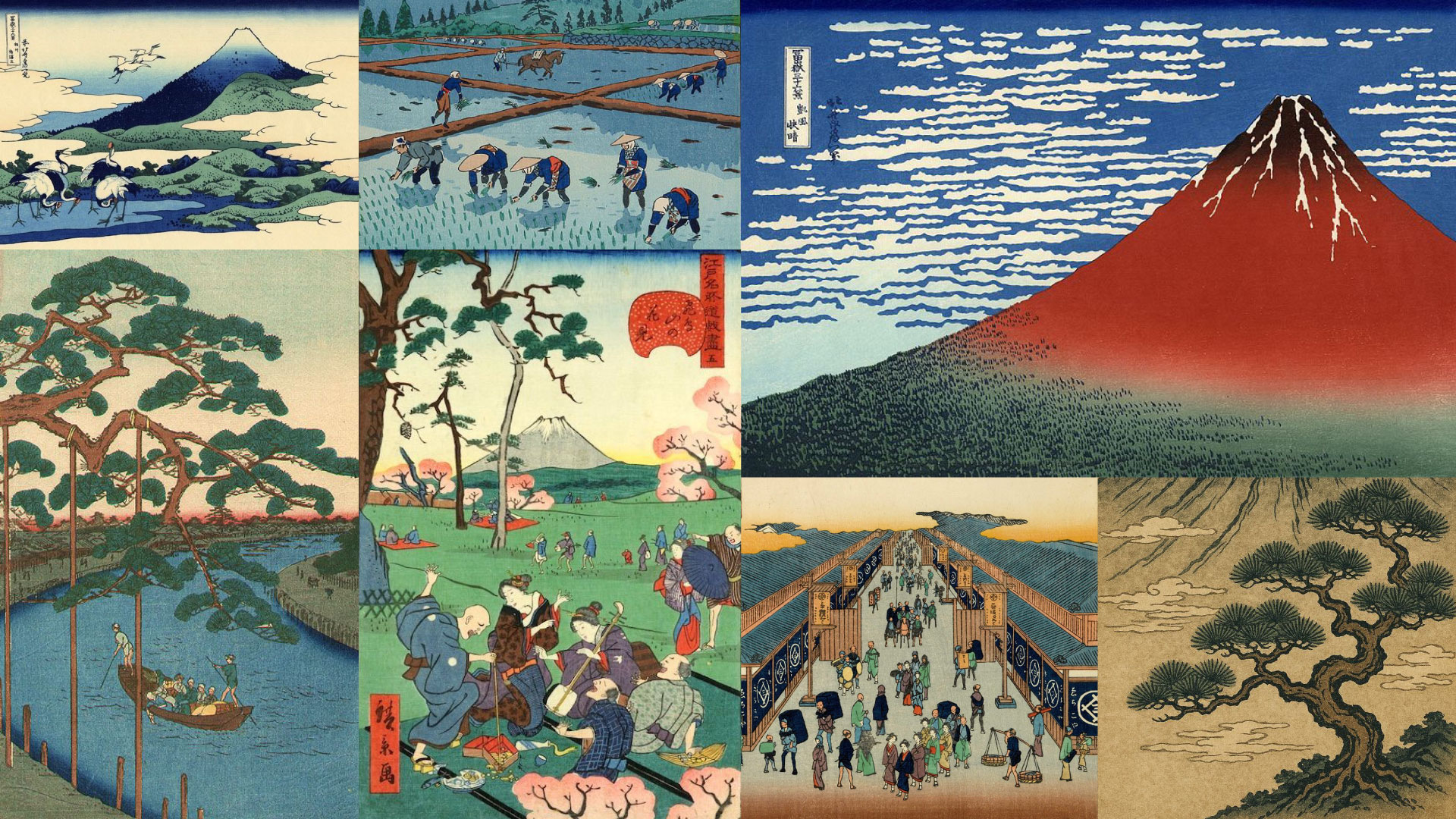
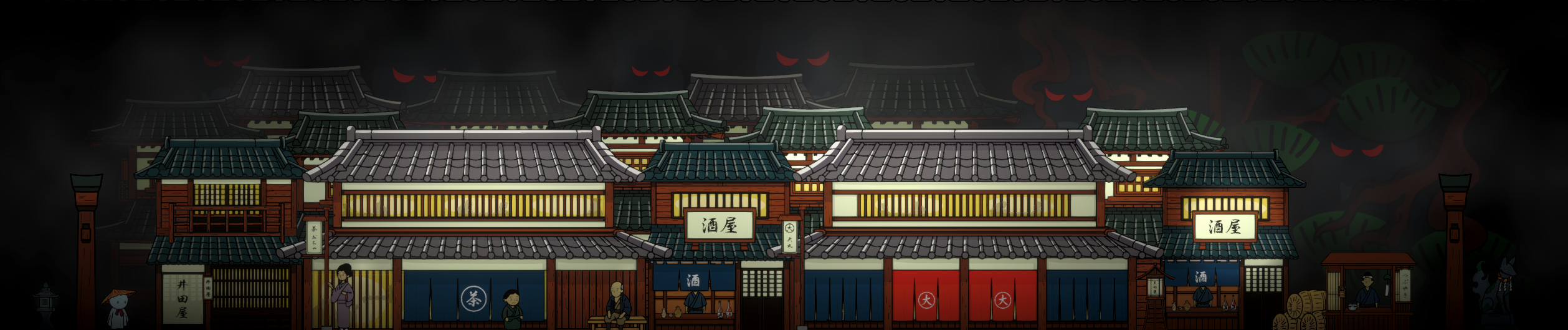
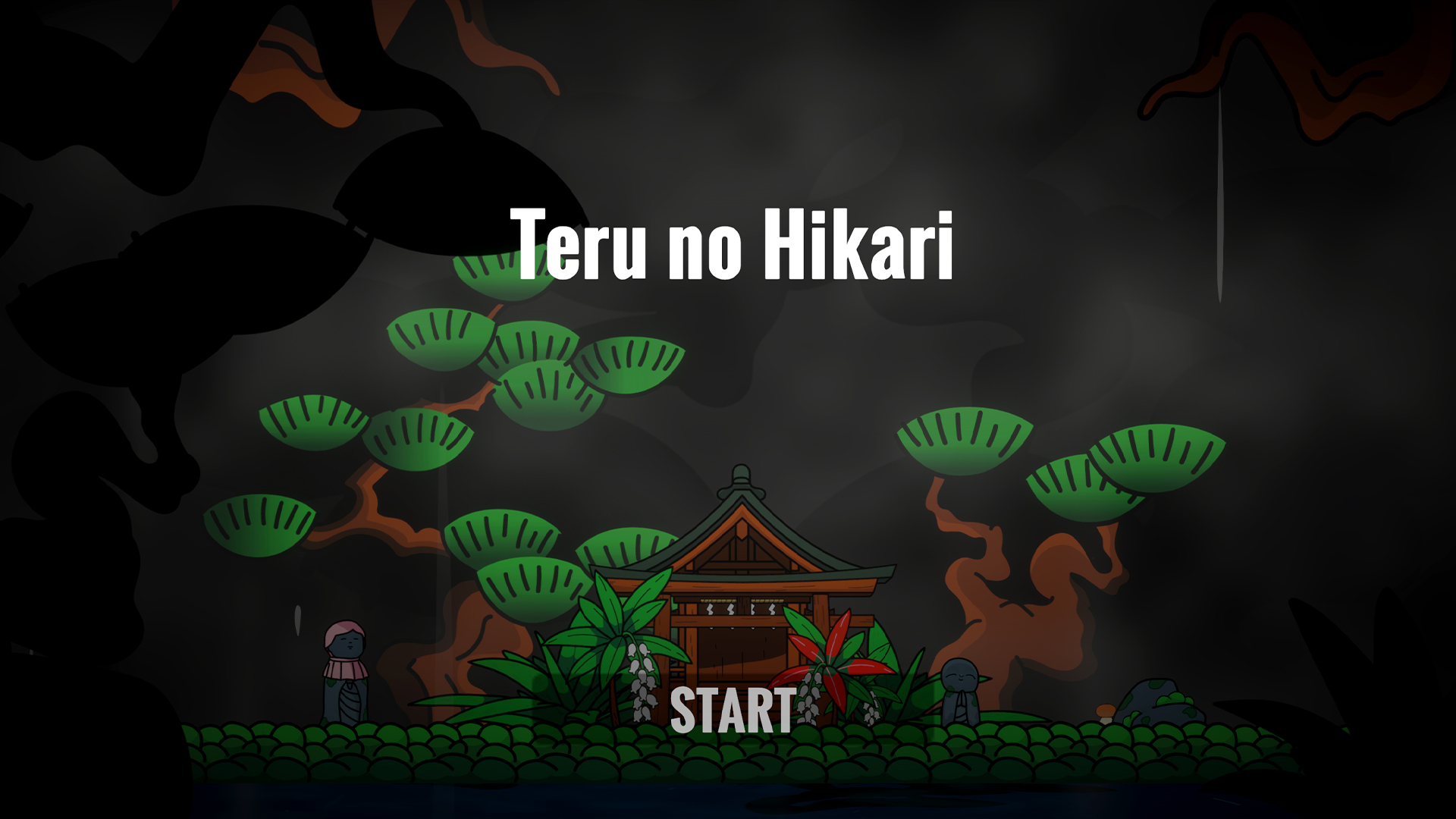
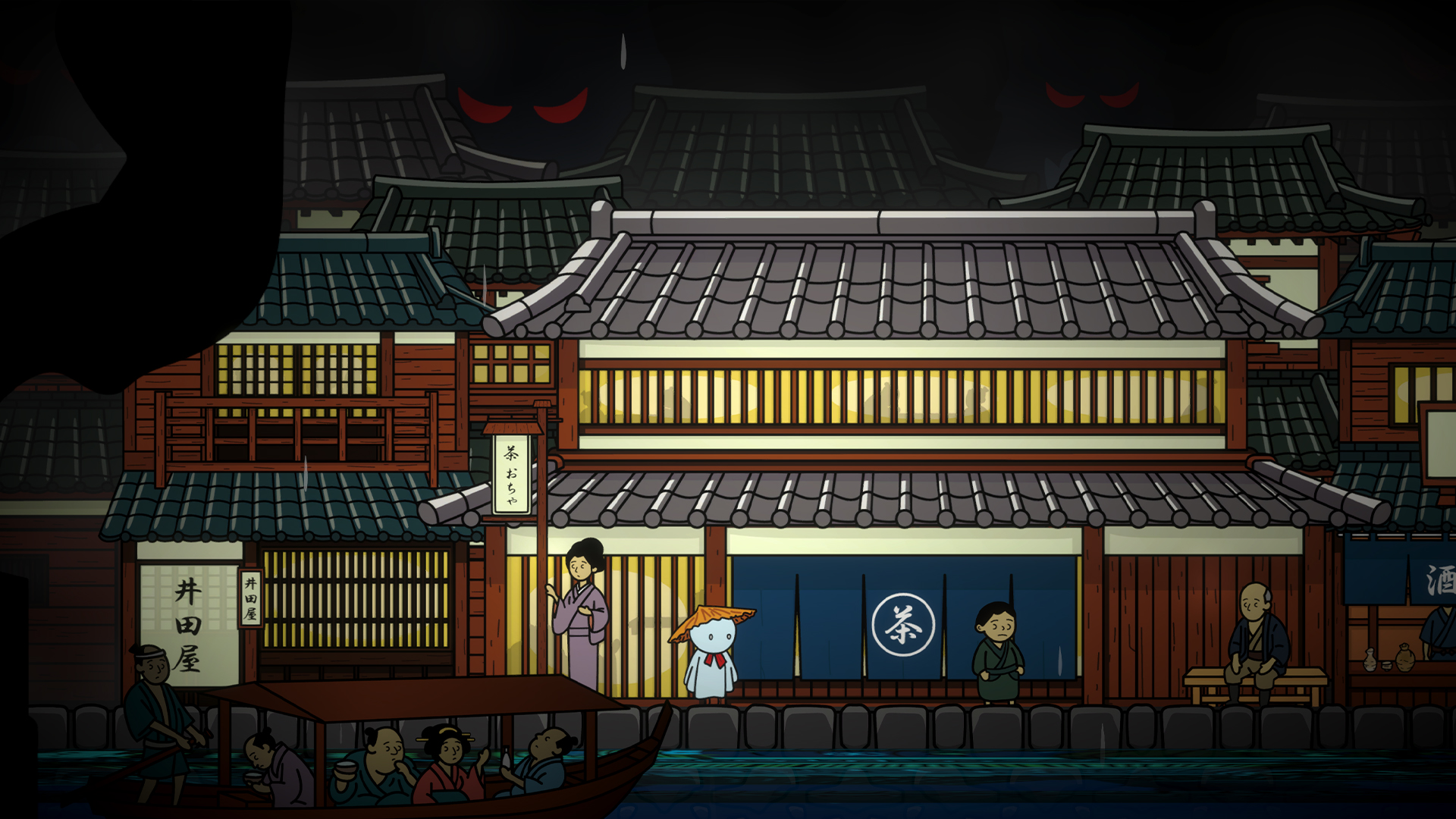
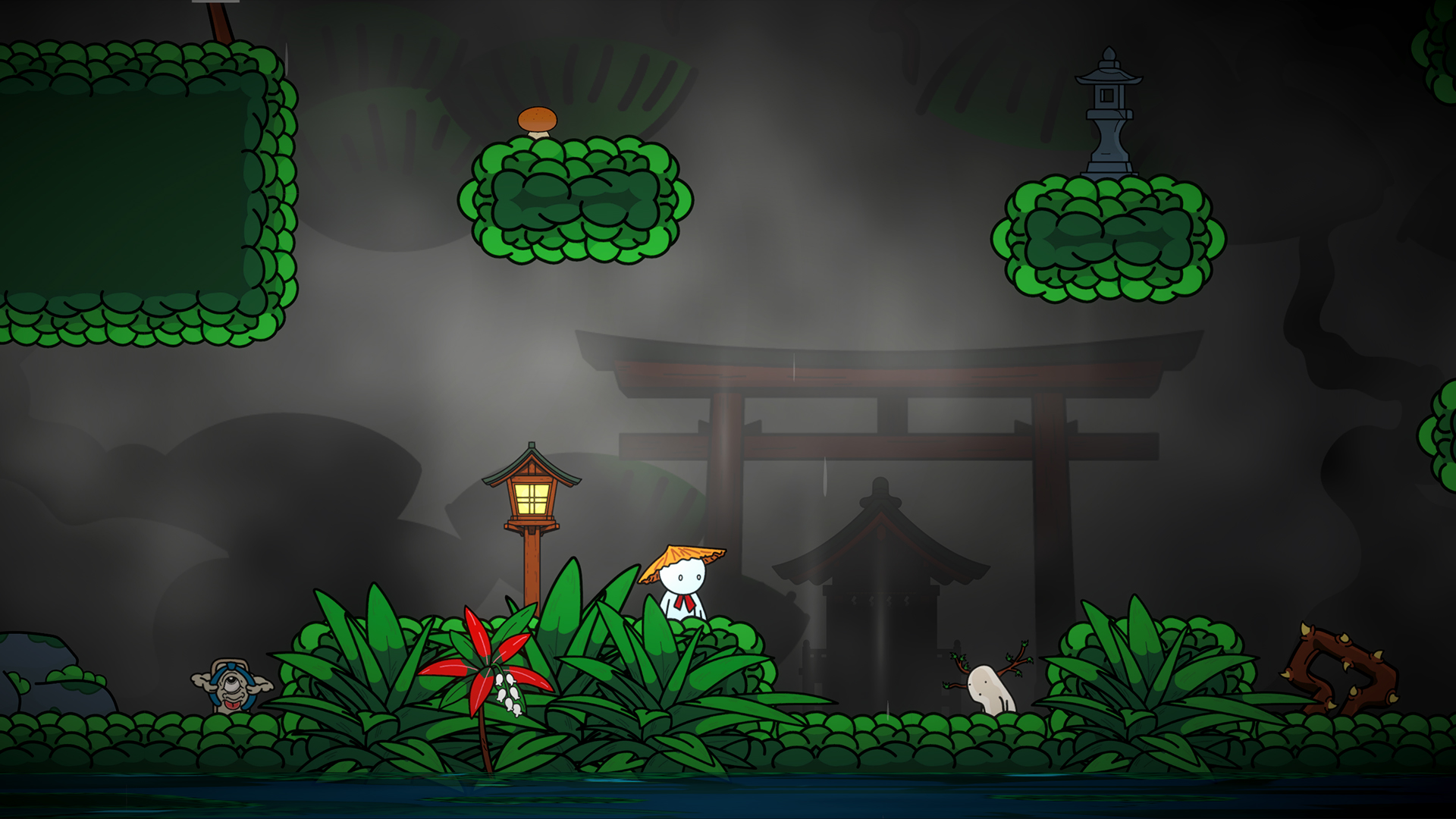
The art direction of Teru no Hikari draws directly from ukiyo-e prints, particularly the works of Katsushika Hokusai and Utagawa Hiroshige, both in terms of composition and color palette.

This choice was made to evoke a distinctly traditional Japanese aesthetic, while blending it with a more minimal style defined by simple lines.

The story takes inspiration from a traditional Japanese custom : the Teru Teru Bōzu, a small handmade cloth doll hung by a window during the rainy season to wish for clear weather. This reference directly informs the game’s premise.

In Japanese, teru means “to shine,” bōzu can be understood as “monk,” and hikari means “light,” making Teru no Hikari “Teru’s Light”, a title that reflects the game’s central theme : bringing light back to Mizonomura village fading into the meanders of the rain and evil yokai creatures.

This initial prototype was designed to explore Unity’s 2D Render Pipeline and basic gameplay mechanics, while focusing on establishing a distinct game identity influenced by Japanese aesthetics and a narrative inspired by the Teru Teru Bōzu tradition.

As the project is still in an ongoing phase, this prototype represents only the first step of an evolving concept. The next phase will focus on refining the game’s UX-UI, a crucial element to ensure player engagement, accessibility, and immersion.